Artistic Vision
000 — Loading
Home Biography Music Artistic Vision Gallery Contact

Tibetan Music Researcher · Royal Museum of Musical Instruments, Belgium

Philosophy & Purpose

Artistic Vision

Where ancient wisdom meets contemporary expression.

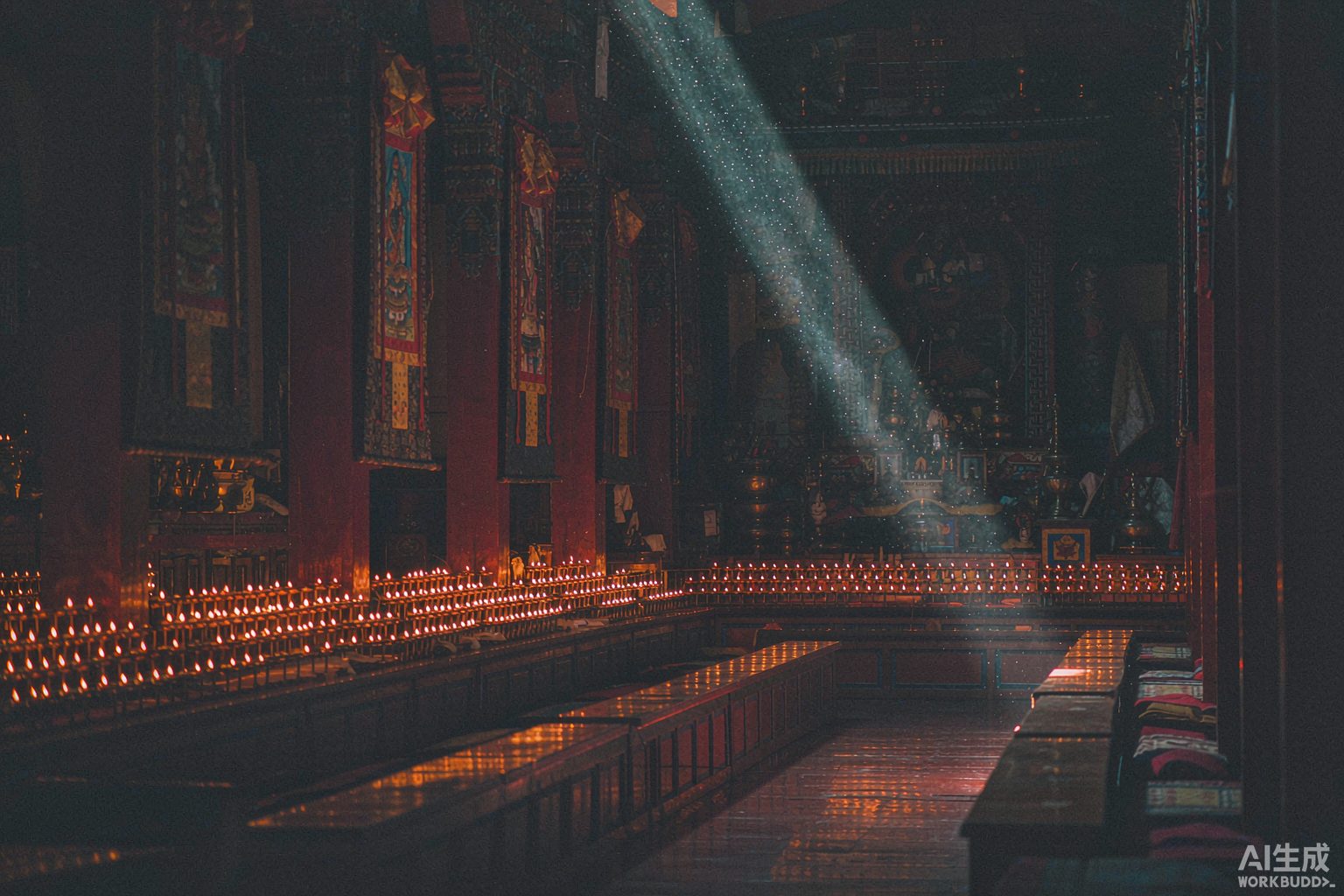
Butter lamps inside a Tibetan monastery prayer hall Core Belief

Sound as Sacred Bridge

Music is not mere entertainment — it is a bridge.

Tsering Dondrup's artistic vision rests on a profound belief: music connects past to present, tradition to innovation, the highlands of Tibet to the hearts of humanity worldwide.

Six Principles

The convictions behind every score

01

Preservation Through Evolution

True cultural preservation is not about freezing traditions in time, but about understanding them deeply enough to carry them forward authentically. By integrating Western orchestration, electronic instruments and contemporary composition techniques, Tsering ensures Tibetan music remains vibrant and accessible to new generations without losing its spiritual essence.

“Traditions are not museum pieces. They are living rivers that must flow through each generation, carrying the wisdom of the past into the future.”
02

The Universal Language of Emotion

While rooted in Tibetan melodic and harmonic traditions, his compositions speak to universal human emotions — longing, devotion, joy, reverence, loss, hope. This universality allows the music to transcend linguistic and cultural boundaries while maintaining its distinct Tibetan character.

“A mother's love sounds the same whether sung in Tibetan or expressed through a cello. My work is to find the musical language that honors both the specific and the universal.”
03

Technology as Cultural Amplifier

From becoming the first Tibetan musician to perform traditional styles on electronic keyboards to pioneering computer-assisted composition, Tsering views technology not as a threat to tradition but as a powerful tool for cultural preservation and dissemination — allowing ancient melodies to reach new audiences and ensuring they are documented for future generations.

“The tape recorder and the computer are not enemies of tradition — they are its allies, ensuring our songs outlive us all.”
04

The Composer as Cultural Custodian

Beyond creating new works, Tsering sees his role as a custodian of cultural memory. Through meticulous documentation, transcription and research of traditional Tibetan folk songs and ceremonial music, he ensures that even songs no longer sung in daily life are preserved for scholarly study and potential revival.

“Every folk song I transcribe is a thread in the vast tapestry of Tibetan cultural memory. My duty is to preserve each thread so future weavers can continue the pattern.”
05

East–West Dialogue Through Sound

His extensive training in Western music theory and his contributions to international musicological publications position him as a unique cultural translator. His work facilitates genuine dialogue between Eastern and Western musical traditions, built on deep understanding rather than superficial fusion.

“I do not ask Western harmony to replace Tibetan melody, nor Tibetan modes to dominate Western forms. I ask them to listen to each other, to learn from each other, to create something neither could achieve alone.”
06

Music as Spiritual Practice

Informed by Buddhist philosophy, Tsering approaches composition as a spiritual practice — each note an offering, each melody a form of meditation, each performance an opportunity for collective transcendence. This spiritual dimension elevates his work beyond technical mastery to something approaching the sacred.

“When I compose, I am not simply arranging notes. I am attempting to capture the ineffable — the wind across the plateau, the silence between prayers, the ache of exile, the warmth of homecoming.”

Tibetan Cultural Roots

The traditions, landscapes and spiritual practices that shape his musical identity

Labrang Monastery traditions
I

Labrang Monastery Traditions

Growing up near Labrang Monastery — one of the six great monasteries of the Gelug school — Tsering was immersed in sacred chant traditions, ceremonial music and the profound vocal techniques of monastic practice. The deep drones, harmonic overtones and ritualistic structures inform his compositional approach. His scholarly work on the Labrang Dodrel Orchestra demonstrates his commitment to documenting these traditions at a technical level.

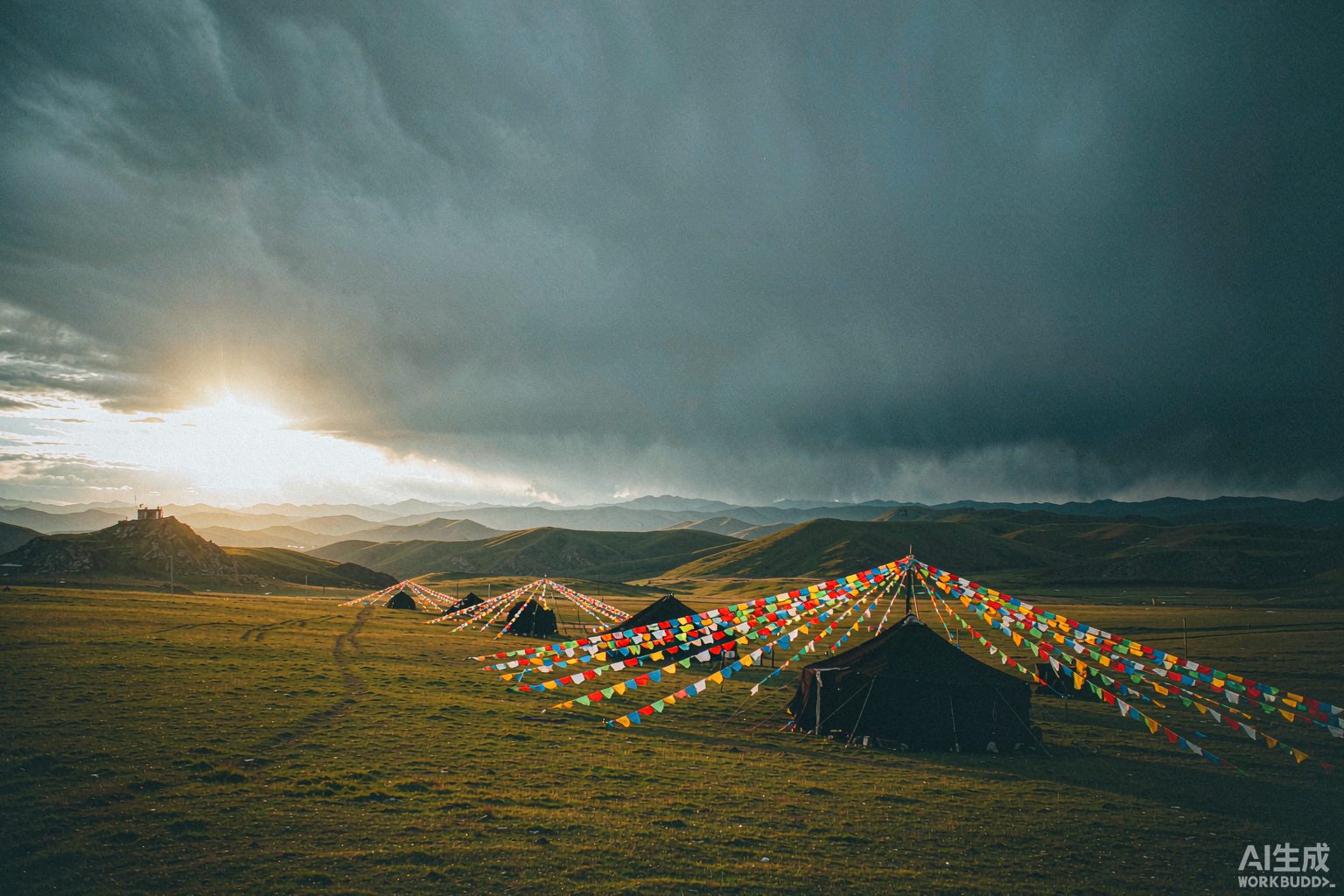
Nomadic song heritage on the grasslands
II

Nomadic Song Heritage

The vast grasslands gave birth to herding songs, work songs and love songs — melodically expansive, emotionally direct, intimately connected to landscape and livelihood. These folk traditions provide the melodic vocabulary and emotional authenticity running through his compositions, including his documentation work for the Chinese Folk Song Collection · Gansu Province · Tibetan Volume.

III

Reba Performance Art

His groundbreaking research on Reba art — proposing its origins in Bon religion and its influence on Tibetan opera — reflects deep engagement with Tibetan performance traditions. Reba's combination of dance, drumming and storytelling informs his approach to theatrical composition. His work on Reba of the Snow Regions represents crucial scholarship on this ancient art form.

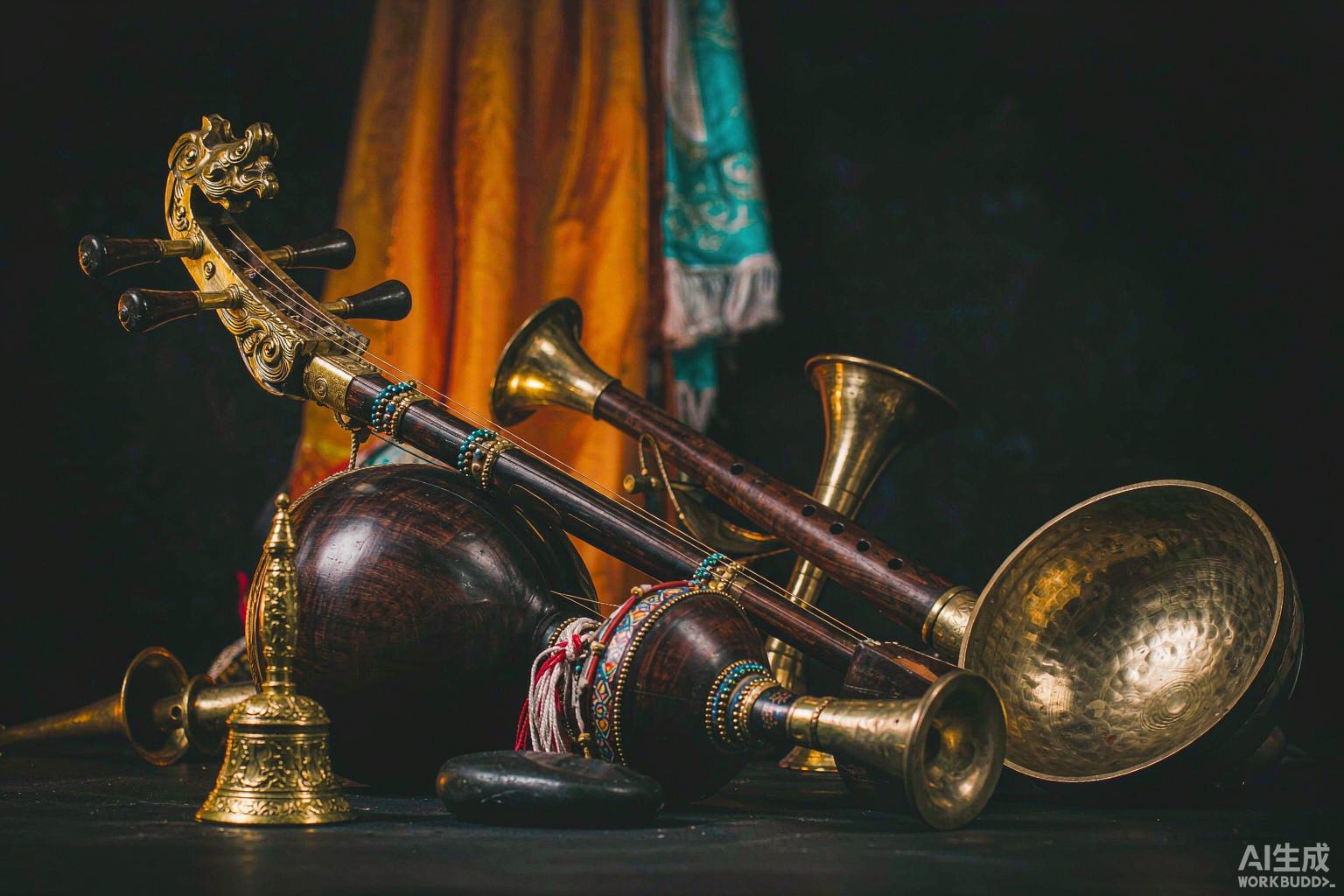
Traditional Tibetan instrumentation
Instrumentation

Indigenous Instrumentation

While he primarily composes for Western instruments and electronic media, his deep understanding of traditional Tibetan instruments — dranyen, gyaling, damaru and others — informs his orchestration choices and timbral palette. His co-authored New Grove entry represents authoritative documentation for international scholarship.

Recurring Themes

The emotional and philosophical threads woven throughout his work

🏔️

Sacred Landscape

Mountains, grasslands and sky as spiritual presence — not mere backdrop but active participants in the emotional and narrative content of the music.

🕊️

Devotion & Faith

Buddhist philosophy of compassion, impermanence and interconnection expressed through melody, harmony and structural form.

❤️

Familial Love

Songs celebrating parents, family bonds and the warmth of community — reflecting the centrality of family in Tibetan culture.

🌊

Memory & Longing

The ache of distance, the beauty of remembering, the power of place in shaping identity and emotion.

🎭

Mythological Narrative

Ancient stories and spiritual legends given contemporary musical voice, connecting modern audiences to timeless wisdom.

🌟

Cultural Continuity

The responsibility to carry tradition forward, honoring ancestors while speaking to the future.

Sonic Signature

What makes Tsering's music immediately recognisable

A unique sonic identity that emerges from the integration of six elements.

A

Melodic Character

Pentatonic and modal scales derived from Tibetan folk tradition, often featuring wide intervallic leaps that mirror the vast plateau landscape and the soaring quality of Tibetan vocal music.

B

Harmonic Approach

Western harmonic structures enriched with modal colouring — familiar to international audiences, distinctly Tibetan in character.

C

Orchestral Colours

Strings to evoke the warmth of traditional singing, woodwinds to suggest pastoral landscapes, strategic percussion to reference ceremonial contexts.

D

Rhythmic Vitality

Rhythmic patterns drawn from traditional dance forms, work songs and ceremonial music, maintaining organic, breath-based phrasing even within metered structures.

E

Spiritual Atmosphere

A sense of spaciousness, contemplation and reverence that reflects Buddhist philosophical principles and the sonic environment of monastic chant.

F

Electronic Integration

A careful balance between synthetic timbres and traditional melodic content — technology amplifies rather than replaces cultural authenticity.

A Living Mission

A three-fold commitment

1

Preserve

Document, transcribe and safeguard traditional Tibetan musical forms before they are lost to time and social change. Through meticulous scholarship and recording, ensure future generations have access to the full richness of Tibetan musical heritage.

2

Innovate

Create new compositions that honor traditional forms while embracing contemporary techniques and technologies. Demonstrate that Tibetan music is not a relic of the past but a living, evolving art form.

3

Bridge

Serve as a cultural ambassador, facilitating dialogue between Tibetan and global musical traditions through international collaboration, scholarly publication and cross-cultural composition.

My life's work is to ensure that the songs of Tibet — the prayers of my ancestors, the melodies of the plateau, the rhythms of daily life — continue to resonate through the centuries.

— Tsering Dondrup

Culture is not what we inherit from our ancestors, but what we choose to pass on to our descendants. Through music, I make that choice every day.

— Tsering Dondrup